Related

The Ballpark Survival Plan: 3 Simple Shifts That Changed Everything
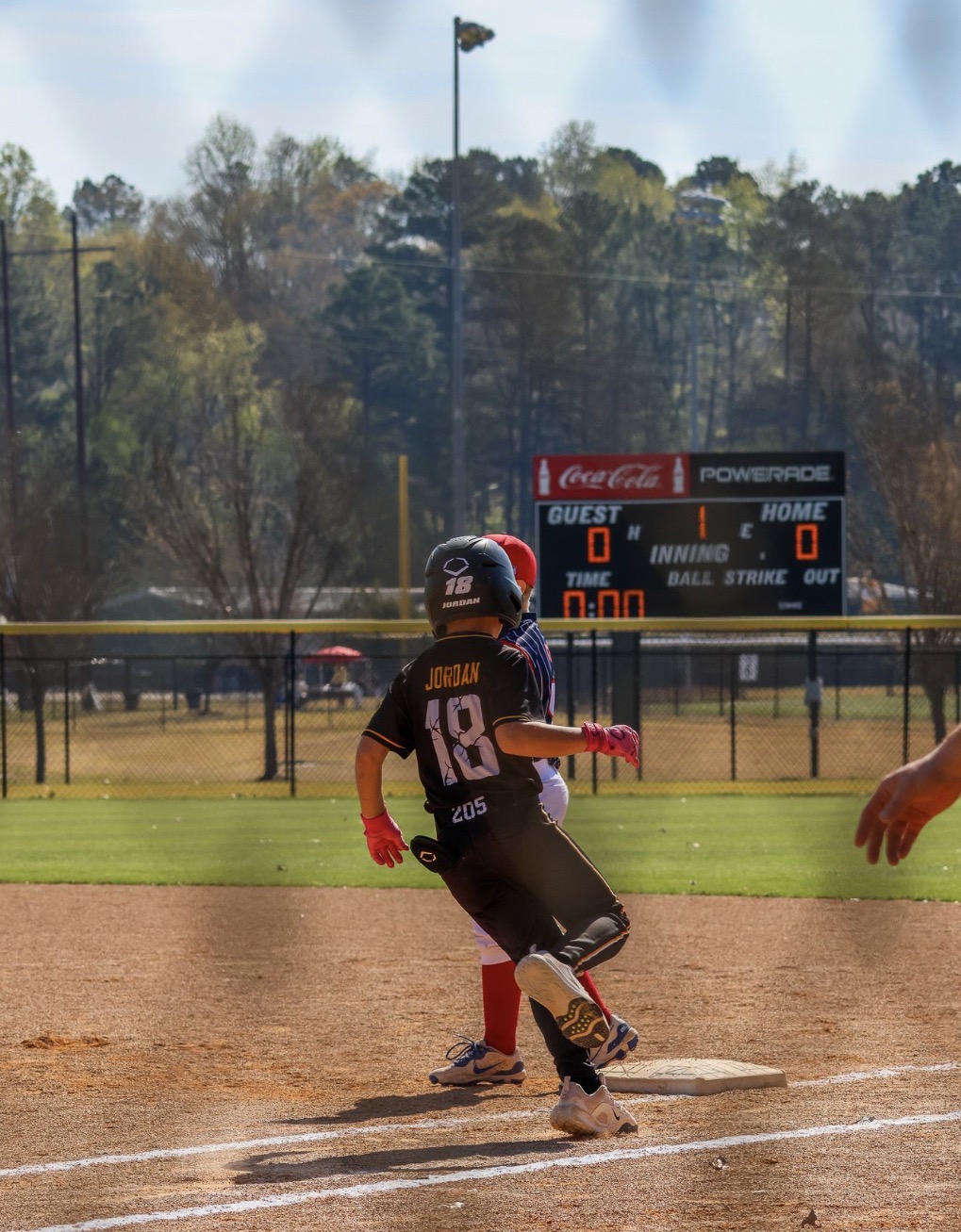
Last week, we lived at the ballpark.
Tuesday night. Wednesday night. Friday night. Then all day Saturday—from 8 a.m. to 11 p.m. By the time it was over, I was exhausted in a way only sports parents truly understand.
If you’ve ever spent long weekends at the fields, you know the rhythm. The hours in the car. The constant shuffle of chairs, coolers, and gear. The emotional rollercoaster of watching your child play—equal parts pride, nerves, and silent sideline coaching.
And if you have more than one kid? It’s a whole different level.
For us, it meant keeping one eye on our 9-year-old on the field while making sure our 5-year-old wasn’t too deep into building dirt castles somewhere behind the dugout. It meant late nights, early mornings, and trying to regulate our own energy while everyone else’s was all over the place.
Add in the unpredictable weather—hot during the day, cold at night—and the overall fatigue starts to stack up quickly.
But honestly? The hardest part hasn’t always been the schedule.
In the past, the real stress came from everything around the games.
The food decisions.
The downtime.
The environment.
It’s incredibly easy to fall into survival mode—grabbing concession stand lunches, picking up takeout between games, and letting snacks fill in the gaps. Before you know it, everyone feels sluggish, irritable, and just…off.
And then there’s the atmosphere. You hear parents yelling from the stands. Kids getting overwhelmed. Others being told to sit still and conserve energy—sometimes with a screen in their hands to keep them quiet.
(They’re 9. Energy is not the problem.)
At some point, we realized something had to change—not about the schedule, but about how we showed up for it.
So we simplified things. We focused on three small shifts that made a huge difference for our family:
1. Have a Meal Plan
We started planning our food ahead of time—intentionally. Instead of waiting until we were tired and hungry (which never leads to great decisions), we prepared meals before leaving the house.
Now, we show up with a cooler packed and ready. The kids know what’s available, and there’s no defaulting to candy and icees for lunch. It’s not about being perfect—it’s about being prepared.
2. Bring Better Snacks
Let’s be honest: those long breaks between games? That’s prime boredom-eating time.
We didn’t eliminate snacks—we upgraded them.
Things like fruit, beef jerky, and other simple options that still feel like a treat, but don’t lead to the same crashes. The goal wasn’t restriction—it was balance. And surprisingly, the kids adjusted quickly.
3. Get Accountability
This might have been the biggest game-changer.
Having someone to check in with—someone expecting a quick photo of your meals or a simple update—creates a level of awareness that’s hard to replicate on your own.
It’s not about pressure. It’s about intention.
Knowing that Monday morning check-in is coming changes how you make decisions on Saturday afternoon.
We didn’t change our schedule. We didn’t make the weekends less busy.
But we did change how we experienced them.
And instead of ending the week completely drained and frustrated, we felt a little more in control, a little more energized—and a lot more present for the moments that actually matter.
Because at the end of the day, it’s not just about surviving the ballpark.
It’s about enjoying it.